
The Diet of the Average American
You’re probably eating too much meat. Now, I know what you’re thinking – don’t worry, I’m not trying to push a vegetarian lifestyle on you. However, an average American eats over three times the global average amount of meat and consumes one and a half times the average protein requirement in a day, according to a 2010 report, and meat intake in Americans has increased even since then. Further, most Americans do not meet the daily recommendations for vegetable or fruit intake. We’re seeing a wide-spread excess in meat/protein consumption and deficiency in the nutrients provided by plants.
The Health Benefits of Eating Less Meat
High meat consumption is associated with a plethora of health risks. Meat products often contain environmental pollutants that are highly soluble in fat, meaning that they won’t be flushed out in waste but rather stored in the body fat; this increases health risks, specifically for cardiovascular disease and certain cancers. Studies have also shown that a quarter of the meat eaten by Americans consists of processed meats like bacon, deli meats, hot dogs or sausages. Processed meats are much higher in cholesterol and saturated fats, which increases the risk of heart disease, hypertension and cerebrovascular incidents where blood flow to the brain is disrupted; additionally, processed meats were classified as carcinogenic to humans, specifically in relation to colorectal cancer, by the cancer agency of the World Health Organization. In the same study, red meats were classified as “probably carcinogenic to humans.” There is also strong evidence that high red meat intake increases the risk of diverticulitis, inflammation in the colon, among men. Multiple studies have also noted a link between red meat consumption and ulcerative colitis (UC), which is contributed to by the interaction of meat heme and amino acids with the gut microbiome; those components are converted into toxins that increase risk for UC.
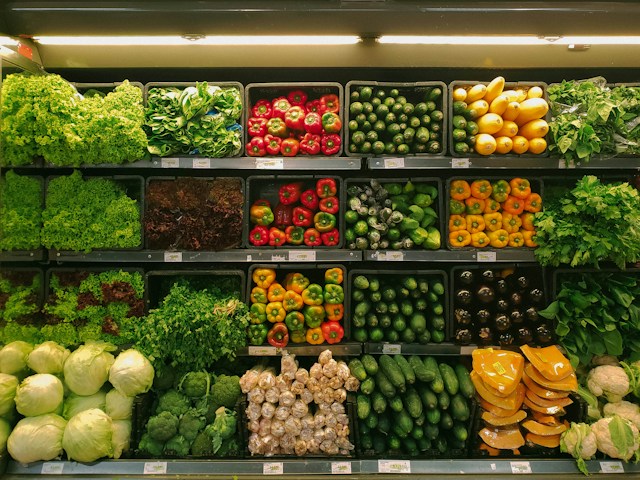
Diets that rely on more plant-based foods, however, provide various benefits to human health. Focusing on grains, lentils, peas, nuts, beans, vegetables and fruits culminates in a diet that is much richer in vitamins, fiber and other nutrients. This helps support heart and digestive health, as well as disease prevention. Meat-based proteins lack the amount of fiber, minerals, vitamins and antioxidants provided by plant-based proteins. That said, plant-based proteins are typically not complete proteins on their own, meaning they don’t contain all of the essential amino acids that your body needs to derive from food. As such, it is important to consume proteins from a wide variety of sources.
How to Make a Change
Making any big changes in your diet can be difficult, but you don’t have to make those changes all at once. A great first step may be to eat a meal with no meat once or twice a week. When eating plant-based proteins like beans, try to pair them with a whole grain like brown rice; this will provide the complete spectrum of amino acids that your body needs. Certain plant-based protein options do offer complete proteins completely on their own, such as tofu. These foods may seem overwhelming to prepare, but there are a lot of great resources online that outline easy ways to put together tasty dishes with no meat. Budget Bytes, for example, has great options listed for a variety of types of meals, and they’re all affordable. Alison Roman also keeps a list of unique dishes with no meat, which can be fun to make. Beyond Meat is a popular meat substitution brand, and their website includes recipes that teach you ways to prepare meat substitutes, if you’re interested in trying some of those out. There are many different ways to approach a meatless meal, and the internet is a wonderful resource for exploring them.
When you do eat meat, you may want to focus your consumption primarily around leaner meats, such as fish or poultry. Avoiding red meat outside of special occasions could be enormously beneficial, especially if eating entirely meatless meals is a struggle for you. You don’t have to completely cut anything out of your diet unless you want to, but being mindful about what you put on your plate now can make such a huge difference for your health down the line.